Examples of utopian architecture
Today we explore the utopias envisioned by some of our favorite architects.
Is the utopian city more than a mere utopia?
- Compartir


Plato was the first to design a utopian city, though he showed little concern for detailing the streets or buildings of Magnesia. On the contrary, what mattered to him was the relationship between the human being and the urban space. Although his project may strike us as more a philosophical exercise than an architectural one, many architects since have sought to craft their ideal city. They do address how buildings and street layouts should be arranged, yet their ultimate aim remains the same as that of the Greek philosopher: to foster a habitat where the urban core helps cultivate a better society.
Today we explore the utopias envisioned by some of our favorite architects. Through their concepts of social urbanism, we will see built cities, half-built cities and cities that were never realized. But, above all, we will reflect on how these grand urban development projects fared whether they fulfilled their expectations or ended up deserted. This modest selection will guide us toward discovering whether a city planned from scratch can function better than one whose growth has been organic and whose urban planning has evolved over the centuries. Is the utopian city more than a mere utopia?
Let us delve into it.
Broadacre City
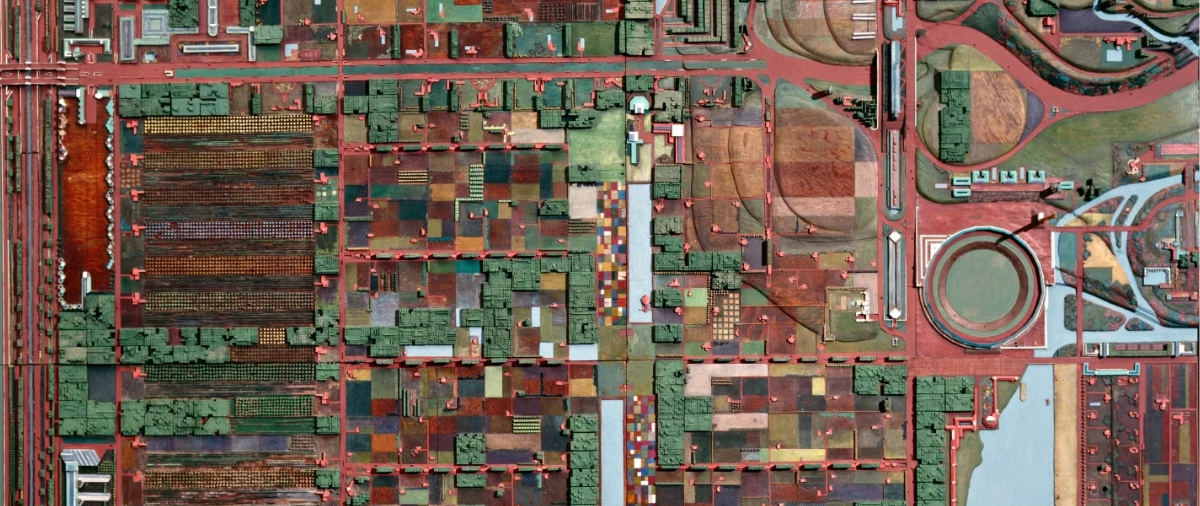
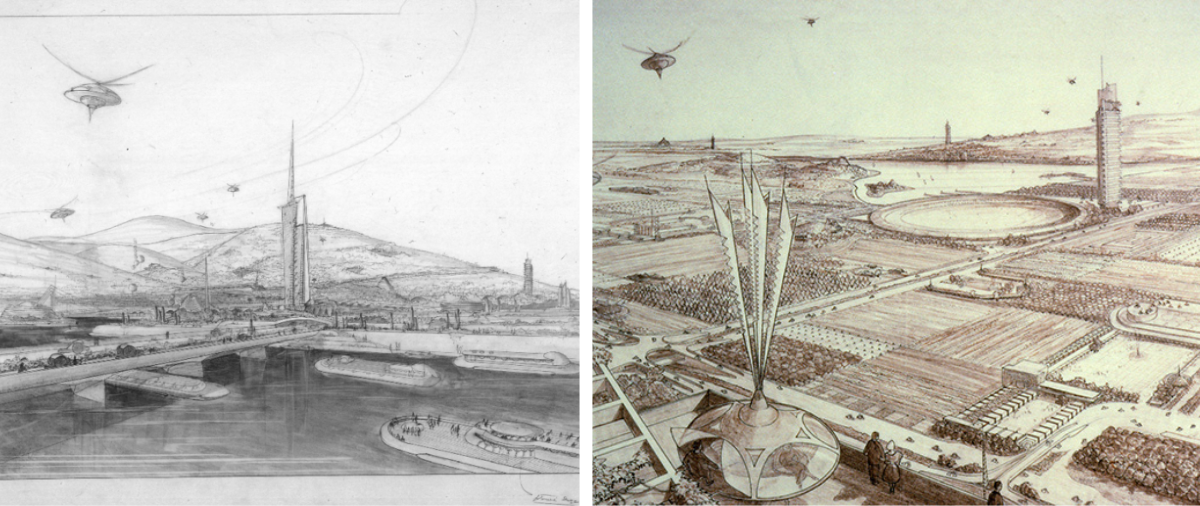
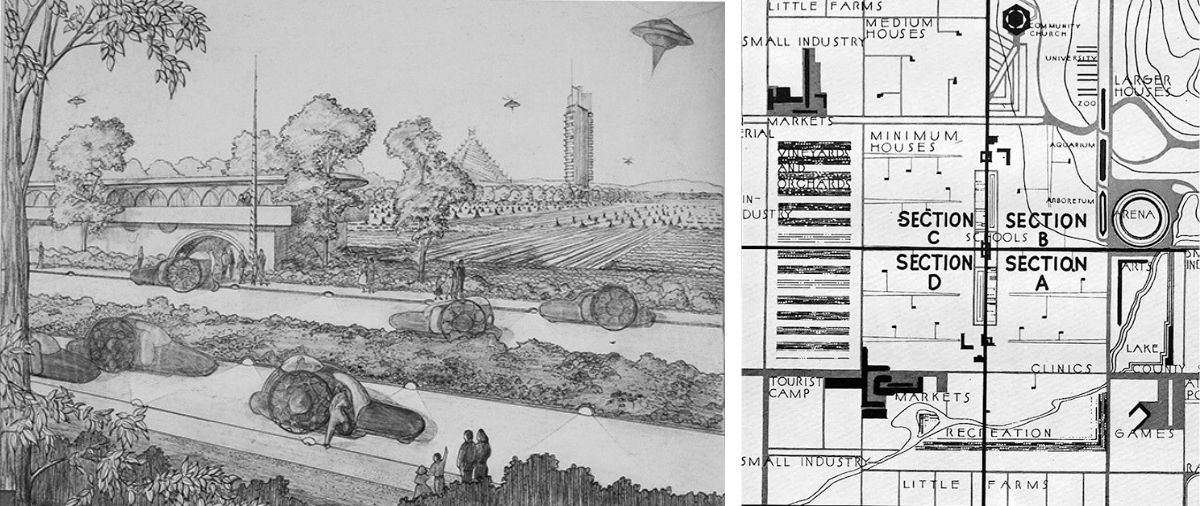
Frank Lloyd Right's architecture establishes a dichotomy between dispersion and density. While designing a mile-high skyscraper, he was laying the groundwork for a revolutionary model of the sprawling city, right on the edge of large, dense U.S. cities. Since its presentation in 1932, in the pages of the book The Disappearing City, Wright never ceased pondering this countercurrent project until 1959, when he died without ever seeing his ideal city materialize: an acre and a single-family house in a grid interrupted only by buildings for public services. In short, a utopia lost amid the pages of the brilliant architect's books and articles a true critique of prevailing excessive urbanism that sought to reclaim the importance of human values and quality of life in a rural setting.
Chandigarh
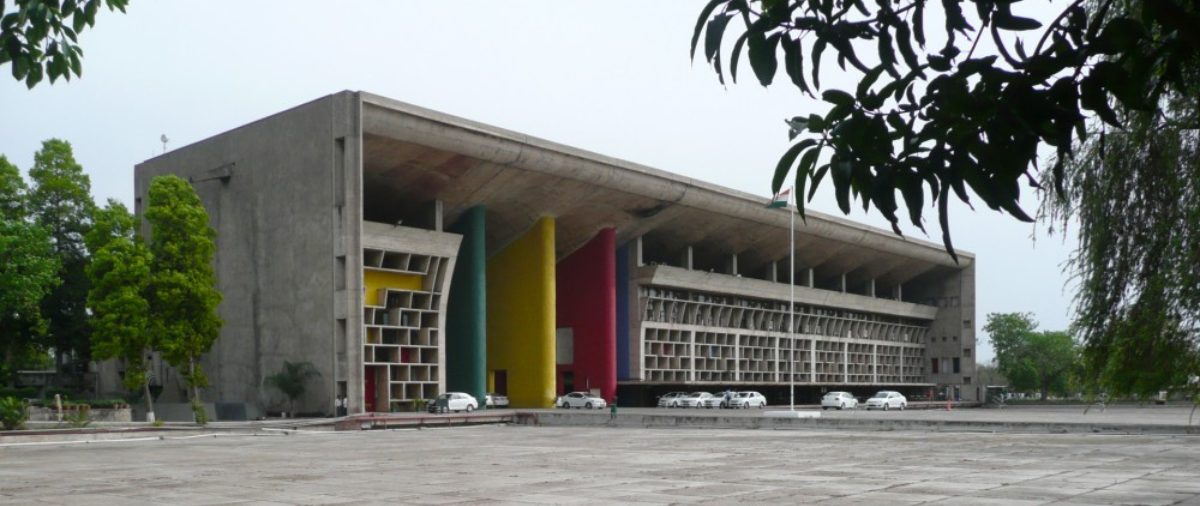
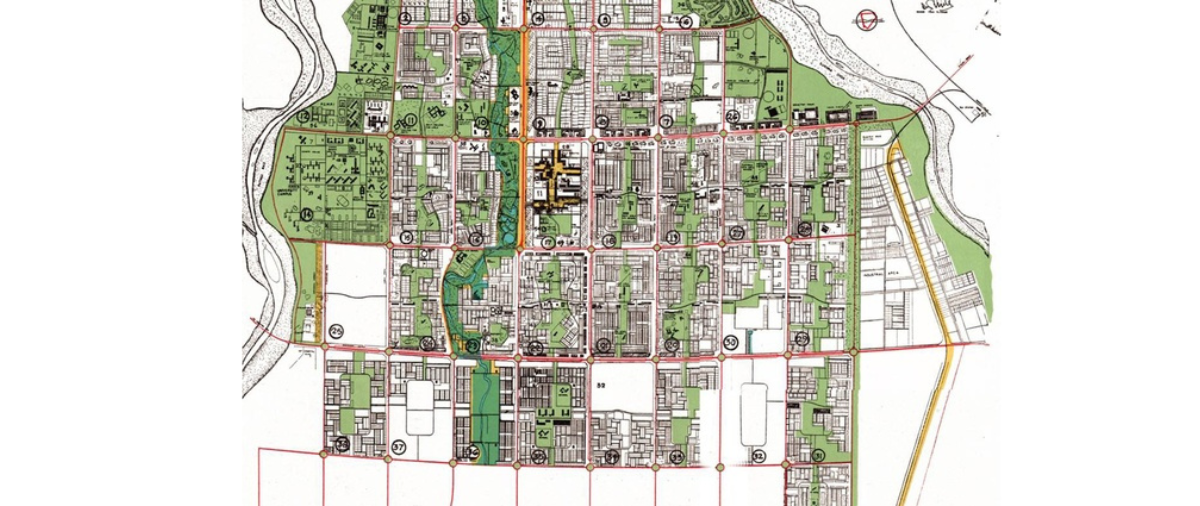
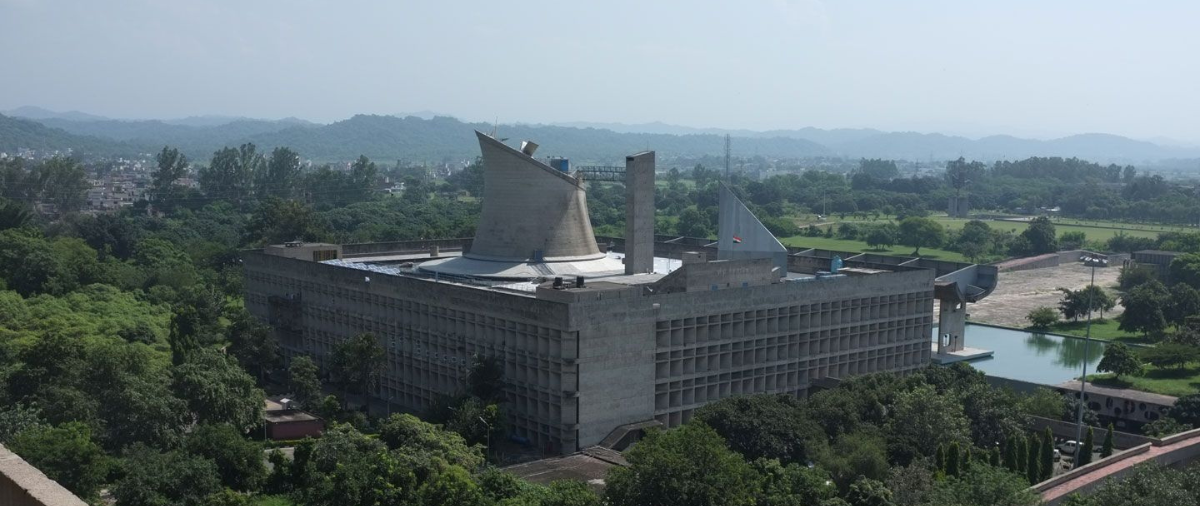
From contemporary form to Broadacre, Le Corbusier laid the foundations of his ideal city in 1933 in the Charter of Athens. His Ville Radieuse project with its towering office skyscrapers and endless landscaped avenues forms the germ of modern urbanism. Something the French-Swiss genius envisioned for the heart of Paris, yet could only realize in newly independent India, where he was tasked with creating Chandigarh, a regional capital designed as a model and showcase for the new nation. Thanks to its division into sectors, Chandigarh's residents can reach all essential daily services within a 10-minute walk. This urban planning prodigy today stands as the world's largest concentration of Le Corbusier's works and far more: a symbol, a privileged city boasting a literacy rate near 97% and numerous renowned academic institutions.
Masdar
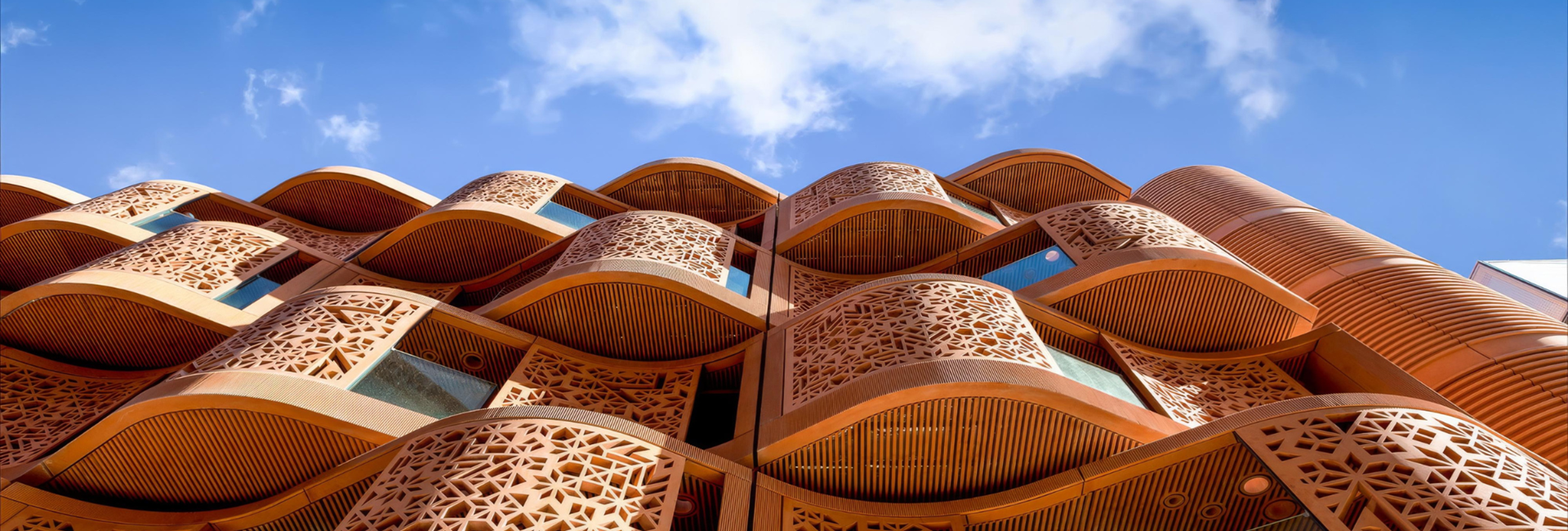
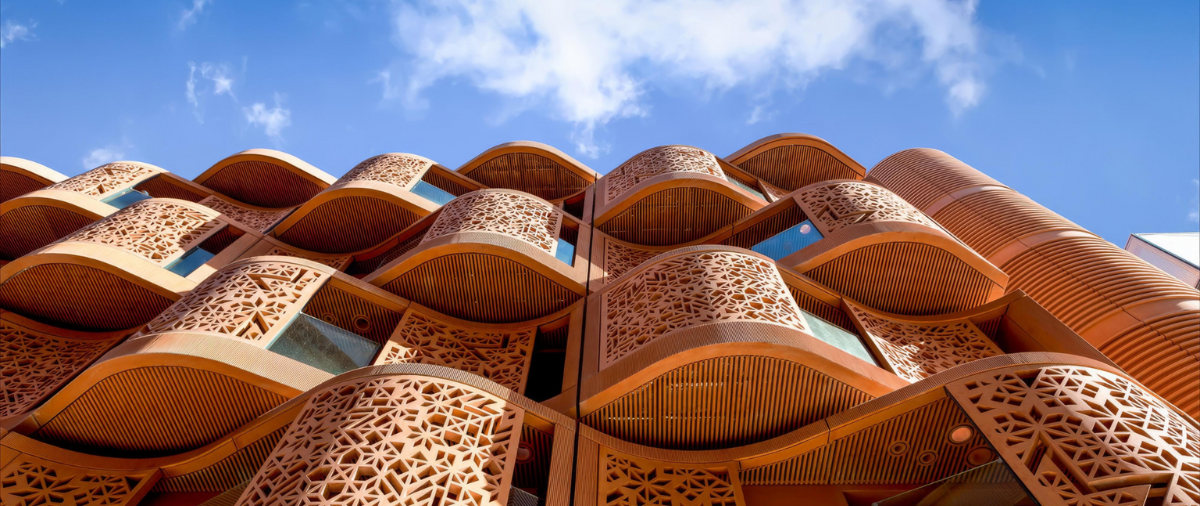
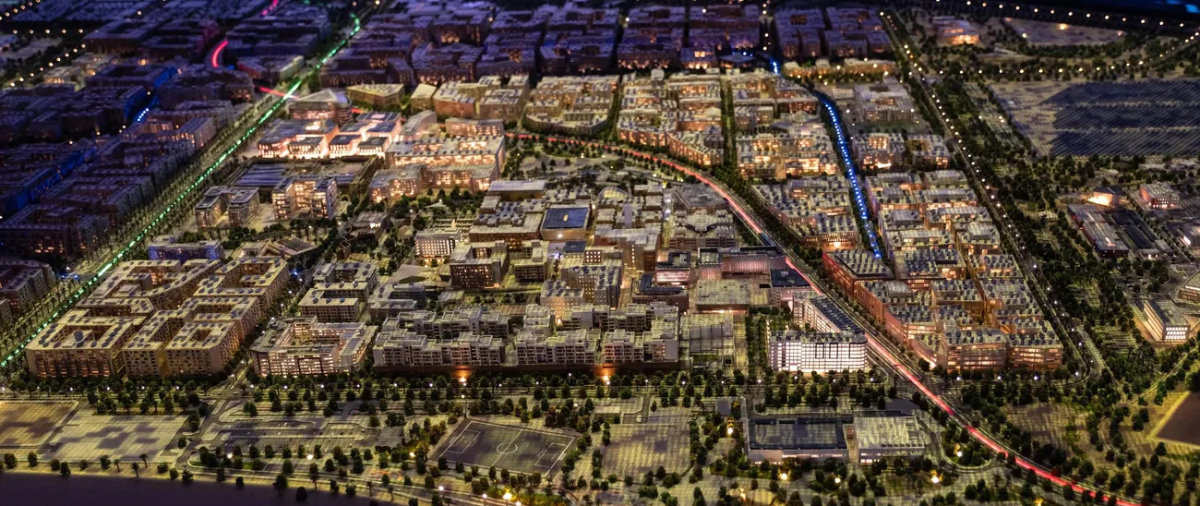
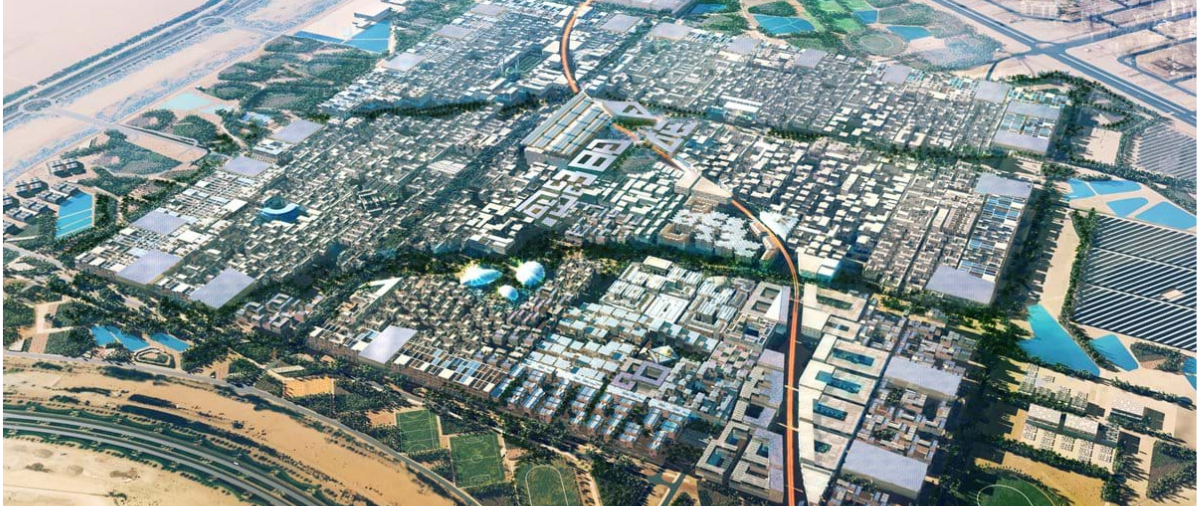
In 2008, Foster & Partners embraced the challenge of creating a 100% sustainable city with zero environmental impact in Abu Dhabi. This prospective Silicon Valley of the desert vows zero CO2 emissions and zero waste a global milestone for 50,000 residents. To realize it, Foster has diverged from the nation’s dominant architectural model: unlike glass skyscrapers reliant on costly air conditioning, the 1999 Pritzker laureate has revived traditional local practices. Elements like strategic orientation, shadow creation, air currents, and vegetated courtyards define the character of Masdar. Moreover, the ban on cars, solar-powered electricity, and geothermal air conditioning unlock the potential of this revolutionary city, still under construction.
Brasilia
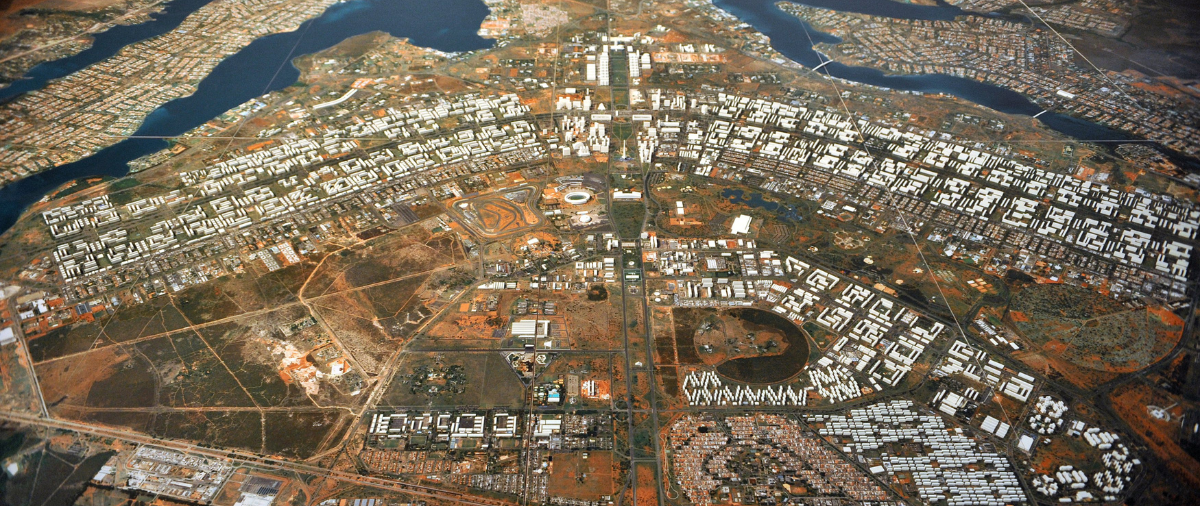
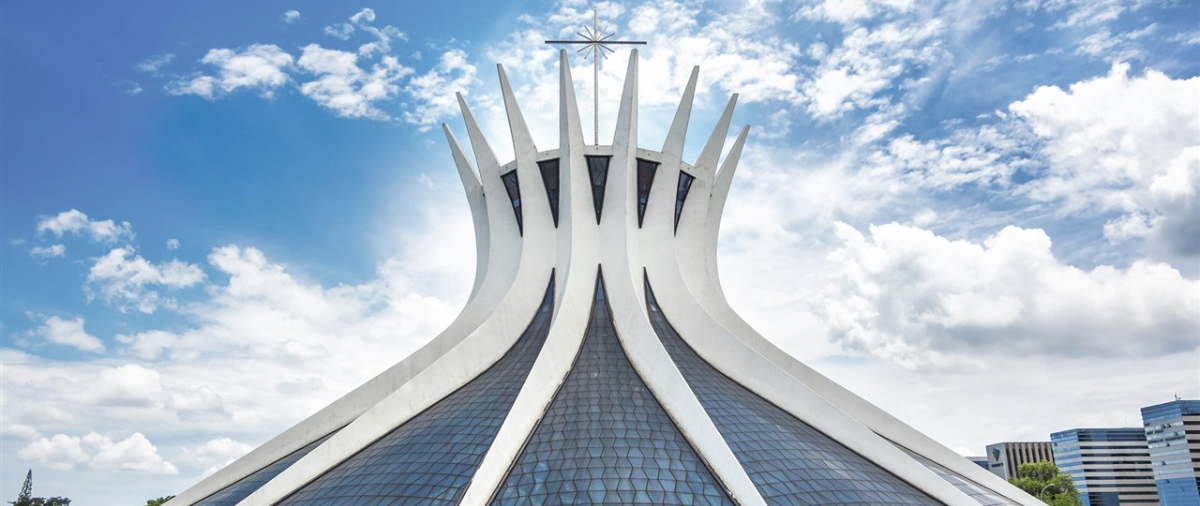
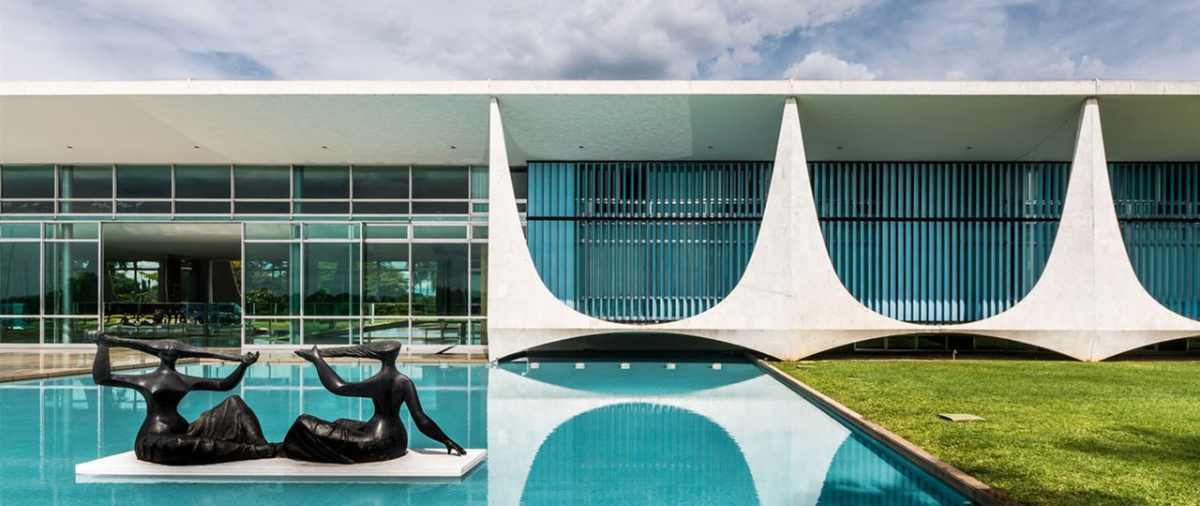
In 1956, construction began on Brazil's new capital, situated far from the Atlantic coast and the old colonial cities of Rio de Janeiro and Salvador de Bahia. The chosen site was a plateau in the state of Goiás, beside which a vast artificial lake was created to supply the capital and temper the region's arid landscape. Although Brasilia is renowned worldwide for the monumental buildings designed by Oscar Niemeyer, the urban plan was crafted by Lúcio Costa, a staunch advocate of the precepts outlined in the Charter of Athens. Together, they resolved to apply those principles in forging a grand city of open spaces, parks, and boulevards to structure the nation from a clean, functional, and beautiful hub. No one disputes the project's resounding success, yet certain expectations remain unfulfilled for instance, the aim of an urban network indifferent to social classes or infrastructures to resolve the woes of major capitals. Today, Brasília, designed for 500,000 inhabitants, shelters 600,000 within its bounds and over 1,400,000 in surrounding suburbs a reality that breeds the pitfalls of conventional cities and underscores the need to envision utopian cities with their future growth potential in mind.
 Contact
 Call
Call
