
Italian design icons
When it comes to design, speaking about Italy is inevitable. Their ability to create objects where beauty and utility are one and the same has elevated industrial design to the category of art. The contribution of Italian engineers, architects, and designers to everyday life is immense. Their creations have become global icons, even as they often pass almost unnoticed in our daily routines. Today, the aim is to uncover the stories behind some of these design milestones.
- Compartir


The words “design” and “Italian” are now almost inseparable, much like “technology” and “German.” Time has fused them into a unique, universally recognized concept. In this article, the proposal is to revisit some of the most emblematic objects in Italy’s industrial history. You probably already know many of them and, although selecting just a few is no easy task, the invitation is to delve deeper into their background together.
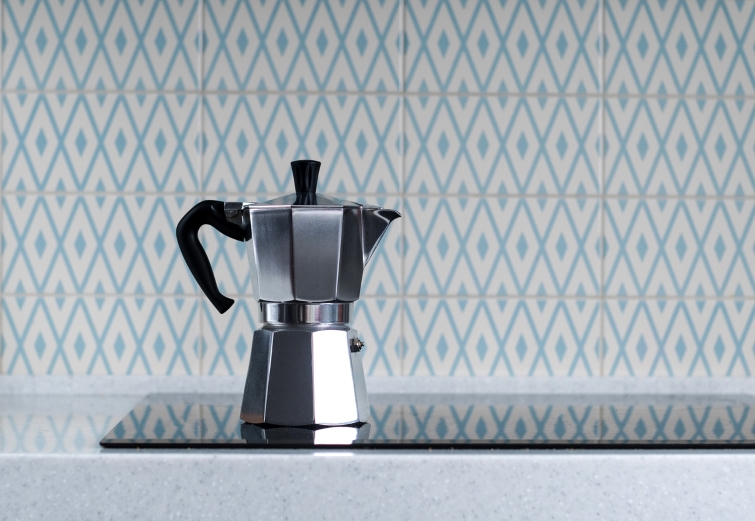
Moka Coffee Maker
Haven’t you ever paused to consider it? Undoubtedly, it stands as the great star of Italian industrial design—an object so embedded in daily life that it feels timeless. Yet until 1933, brewing good coffee at home was far more challenging. Our early mornings and late-night study sessions would be far less bearable without Alfonso Bialetti, the engineer who had to train specifically in aluminum smelting in order to bring his project to life. This years-long endeavor yielded a design that seamlessly fuses Art Deco elegance with the polyhedral, industrial edge of Futurism, remaining unchanged ever since. Bialetti continues to produce them today, and their use has evolved into a cherished ritual..
Piaggio Vespa
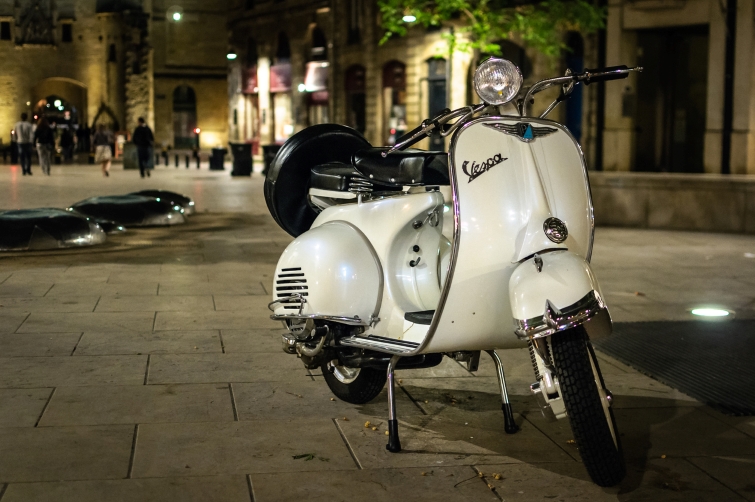
The Vespa is another of those timeless works of art that seem to have always existed. Look closely, and you’ll notice its master lines remain faithful to the original design. Remarkably, its name has become synonymous with an entire category of motorcycles—not necessarily Piaggio’s—since all Vespas are scooters, though not all scooters are Vespas. It still commands a global legion of devotees, a true feat for what has long been dubbed the “anti-motorcycle.” Far from an insult, this suited its creator perfectly: aeronautical engineer Corradino d'Ascanio who found conventional bikes clumsy and uncomfortable. On a cinematic note, it inspires the perfect Vespa-themed movie marathon: Vacation in Rome, Quadrophenia, Alfie, The Interpreter, Expensive diary and many more.
Arco Lamp
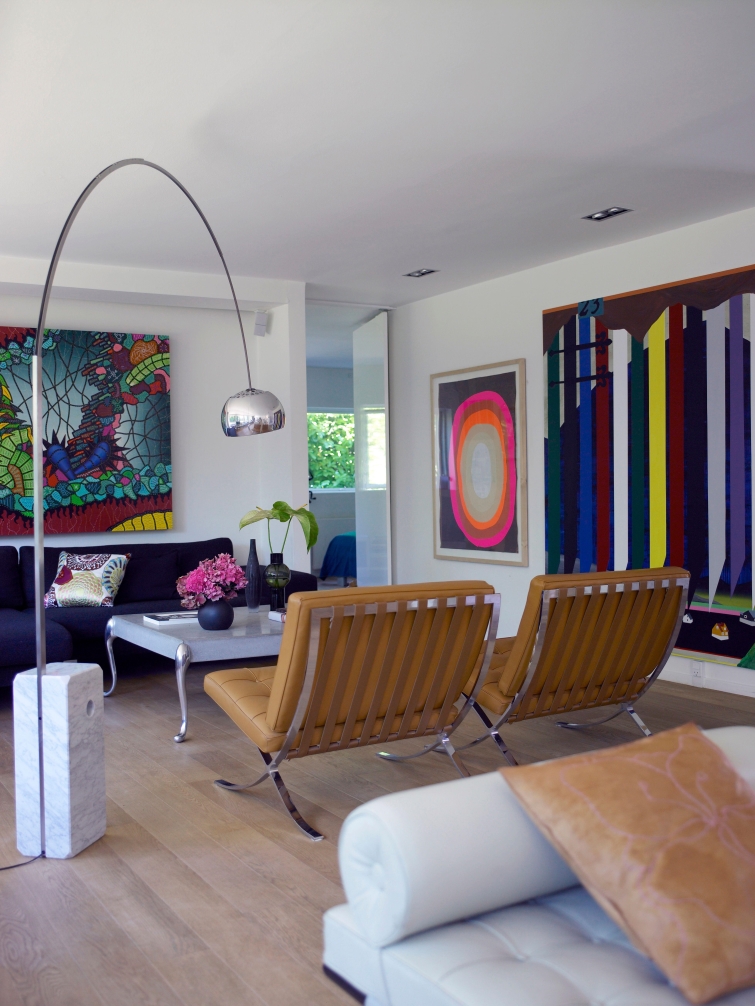
Imitated endlessly yet as modern as if designed just yesterday. The credit belongs to brothers Achille and Pier Giacomo Castiglioni, two brothers architects who tackled the challenge of illuminating a dining table from above—without disturbing diners or impeding movement around it—all without relying on fixed ceiling fixtures. Their solution: an arched lamp with a Carrara marble counterweight. A piece of fascinating simplicity, crafted with such enduring quality that it transcends time itself.
Olivetti Valentine
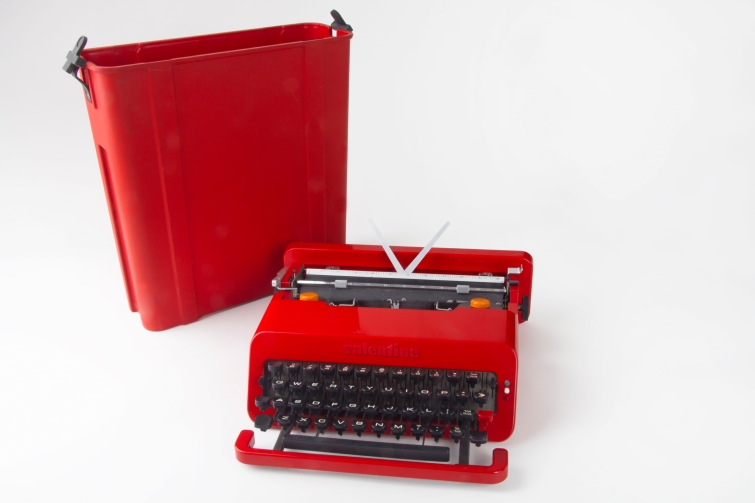
Typewriters may now belong to romantic writers or serve as decorative pieces, yet the Olivetti Valentine remains strikingly contemporary—as if it were a bold wager to revive an obsolete mode of writing. After all, if vinyl records and turntables have made a comeback... But no. One must travel back to 1969, when Ettore Sottsass and Perry King set out to design a typewriter for anywhere but the office. With that vision, they swapped the metal casing for plastic, chose a vivid red hue, and made it portable. Its revolutionary style and technical brilliance have earned it a place in the MoMA and inspired a modern reinterpretation in the form of notebook prototype.
Superleggera chair
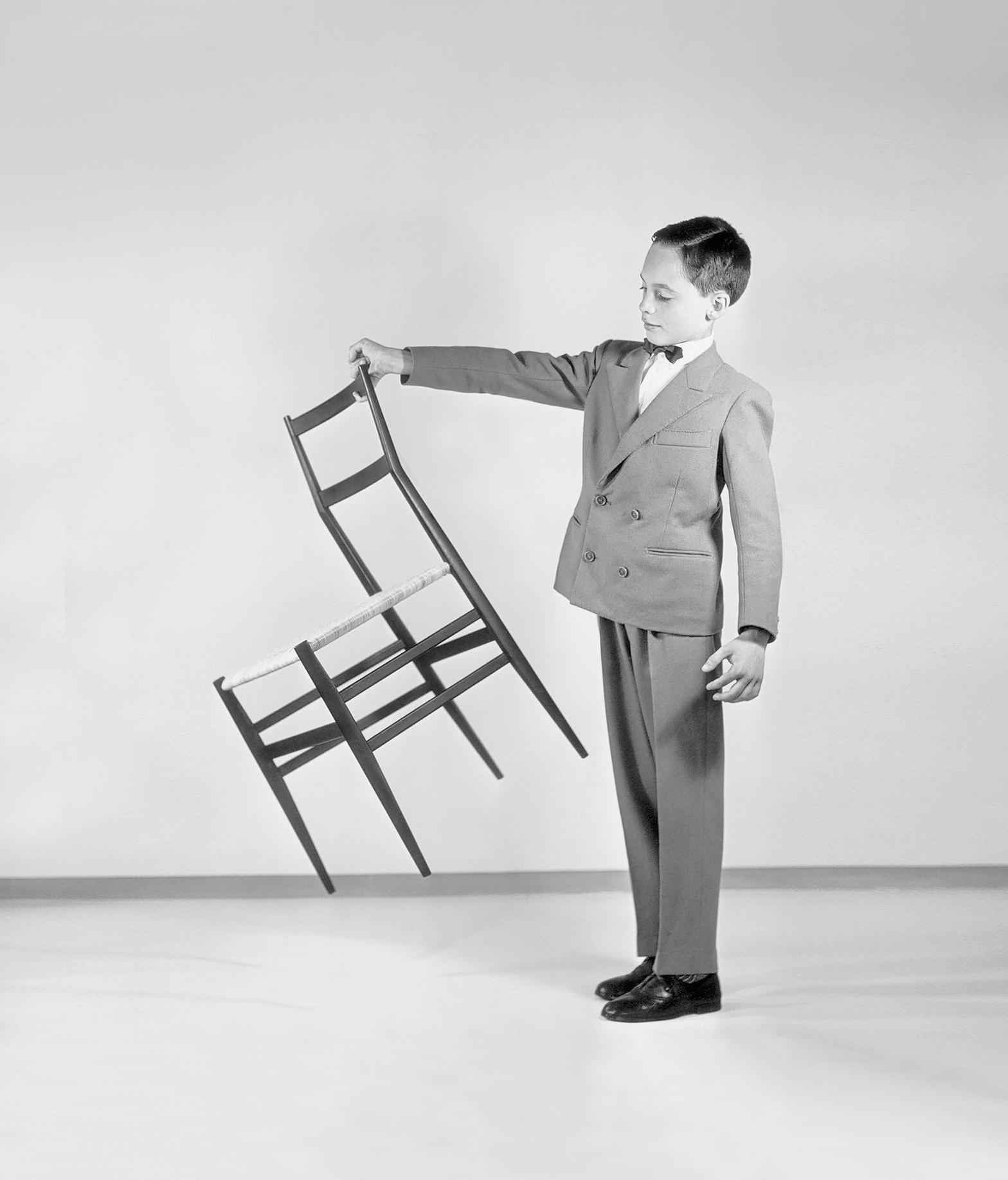
If you ask us to think of "a chair," we would probably picture something akin to the Superleggera. This is hardly surprising, as Gio Ponti’s brilliant design has become sort of an unconscious archetype —the very essence of the "chair" concept. Its form takes shape through the inherent strength of ash wood, which allows to reduce the structure to a minimum. Here, the impression of lightness is no mere illusion; it is literal truth. With its seat of braided Egyptian straw, the chair weighs just over one and a half kilograms—lending it an air of fragility. Ponti countered this perception by tossing one out his studio window, challenging visitors to retrieve it intact from two floors below.
Photos: Istock and Alamy.
 Contact
 Call
Call
