Beauty is on the inside
We are accustomed to observing our favorite architects’ works from the outside. We marvel at their volumes, their dialogue with light, their relationship with the landscape yet we often forget that, as Le Corbusier said, they are machines à habiter, machines to live in.
- Compartir


As interior design enthusiasts, we believe that exterior design must find its counterpart inside with the same care, the same planning, and the same quality of materials. At least, that is the premise we apply to each of our projects. But what about the great architects? Their works are often known more for their exteriors than for their interiors, and we find that unfair. Today, we step inside the indoor spaces concealed by some of the most celebrated façades in contemporary architecture.
Frank Lloyd Right
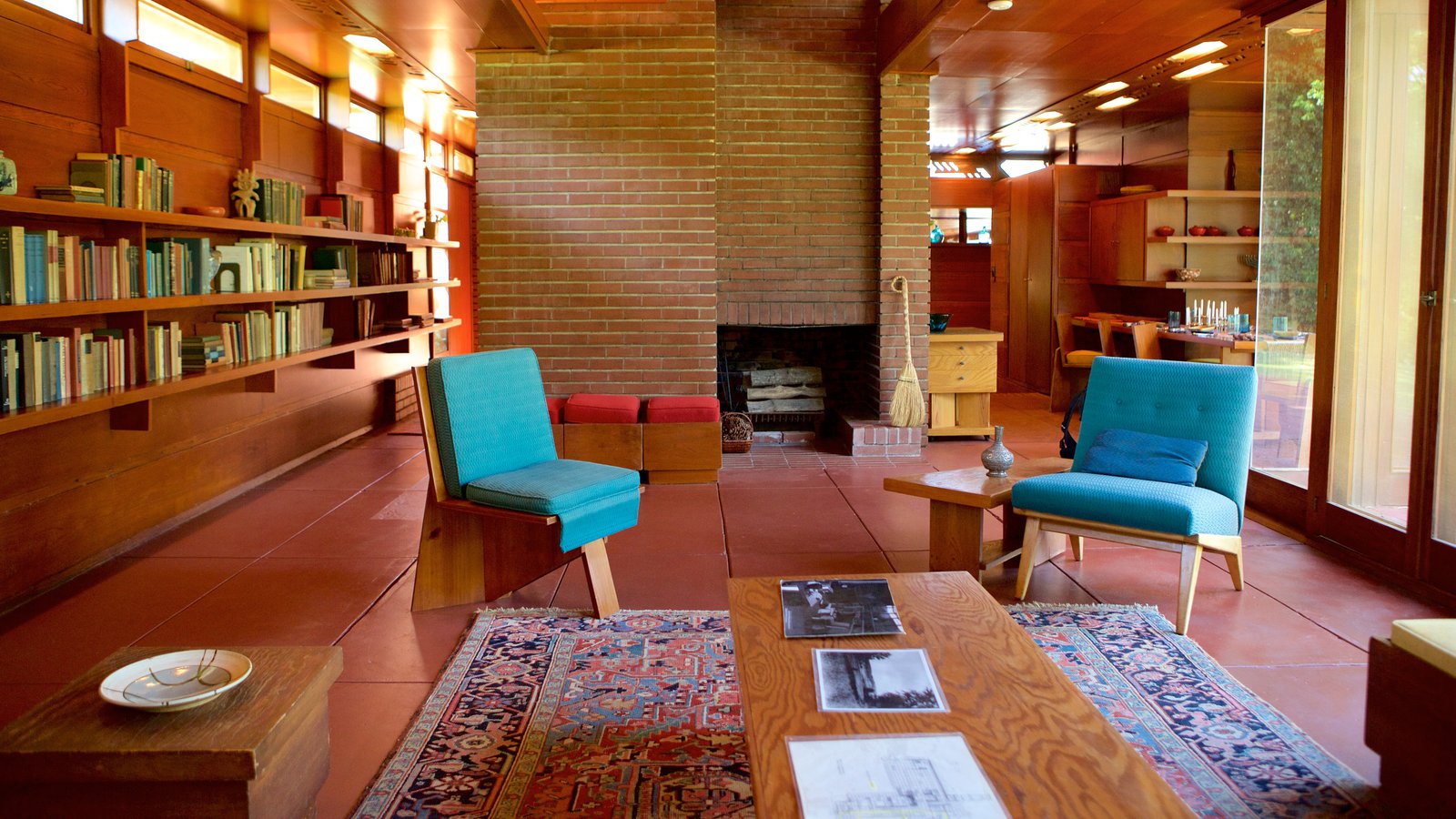
No one doubts that Wright is one of the fathers of modern architecture. Both Le Corbusier and Mies van der Rohe were followers and rivals of the Wisconsin genius. Even today, the shapes of the Guggenheim in New York remain a symbol of modernity, as does the interplay of cantilevers in the Fallingwater House.
Yet we often forget to look through the window to shade our eyes and peer inside his architecture. What we find within, unsurprisingly, reflects the same perfectionist spirit that guided the exterior.
Wright, methodical and individualistic, went so far as to design every component of his houses: the furniture, the lamps, even the doorknobs. The result of such meticulous attention is a style that is instantly recognizable whether in his early works with their Oriental and Art Deco influences, or in his later, more organic creations. There is fine craftsmanship and cabinetmaking everywhere: wood, stone, stained glass, brick… Wherever we look, Wright's unmistakable personality permeates every corner of his interiors.
Mies Van der Rohe
Wright's relationship of mutual admiration and understanding, despite their aesthetic differences and different use of materials. The temperamental Wright welcomed Mies as an equal and considered him a leader in architecture a tribute that also extends to his interiors.
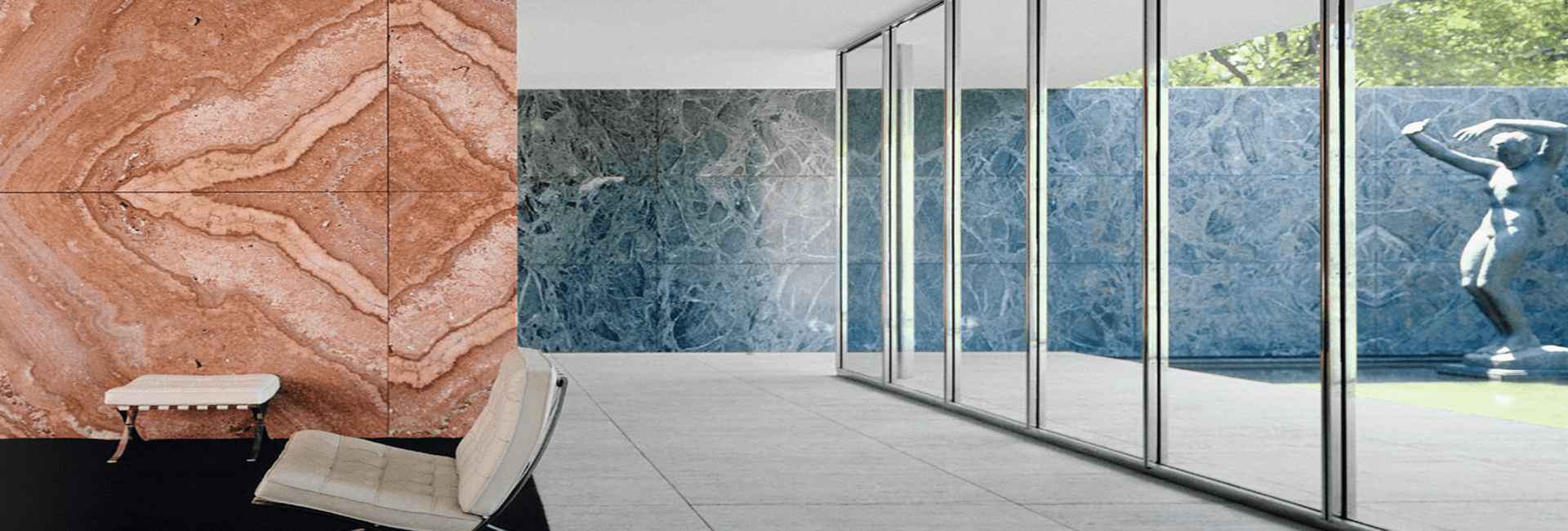
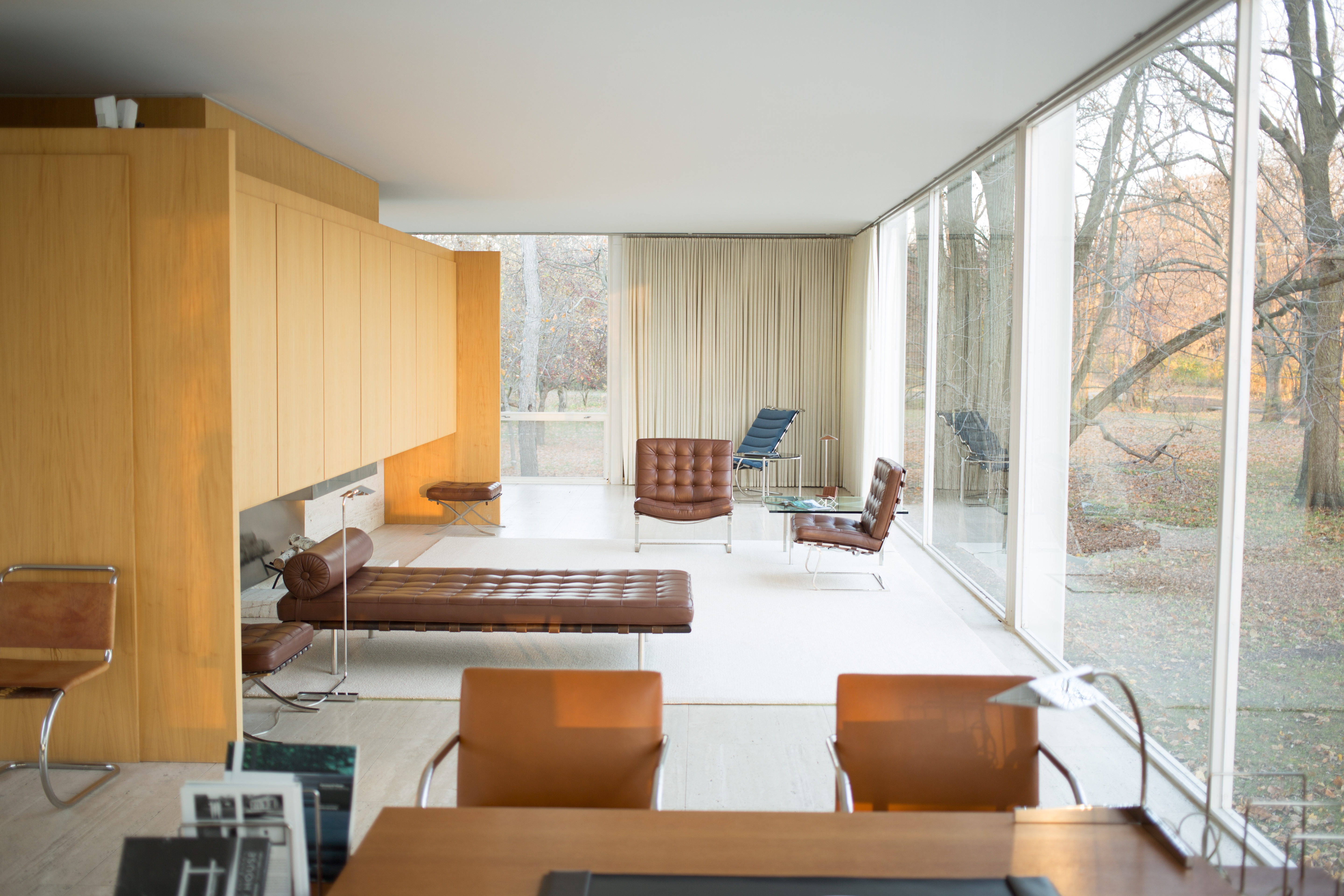
In any case, it’s hard to go wrong with Mies, for he too shared that obsession with control and design that gave rise to some of the most iconic furniture of the 20th century. Yet unlike Wright’s interiors whose organicism turns them into almost cozy caverns. Mies’s rationalism leaves everything exposed. Indeed, to his famous “less is more,” we might add “in is out”: when we look at the façade of the Farnsworth House, we are looking directly into its interior.
And if we stand inside the Pavilion of the 1929 Barcelona International Exposition, it’s hard to tell whether we are inside or out. The boundaries blur, and the clean, open interiors merge seamlessly with the outdoors a guessing game in which the straight line is the only reliable clue.
Charles y Ray Eames
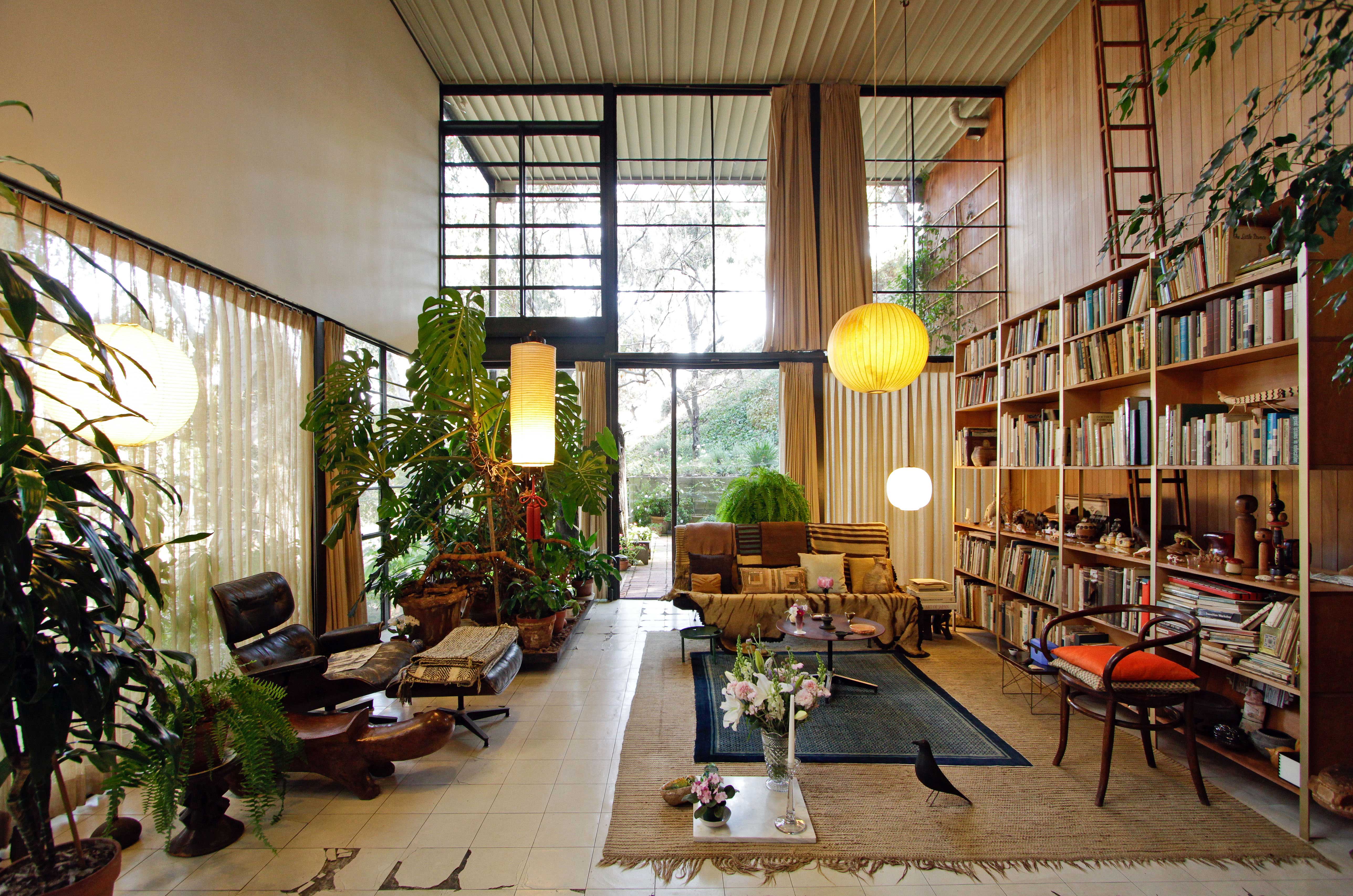
Who hasn't dreamed of owning an authentic Eames Lounge Chair Ideally an original, period piece, with gently aged leather. Or of sitting in one of their famous chairs but in one of the real ones, not in the thousands of copies that flood our searches on the Internet. After all, the Eames couple designed many of the pieces that remain staples of modern décor magazines. And it’s no wonder they are functional, comfortable, and built to last.
Yet we can go even further, for the Eames were far more than furniture designers: the interiors of their own home, as well as other projects in the Case Study Houses program were also their work, and have shaped the way we conceive and light living spaces from the mid20th century to today.
Alvar Aalto
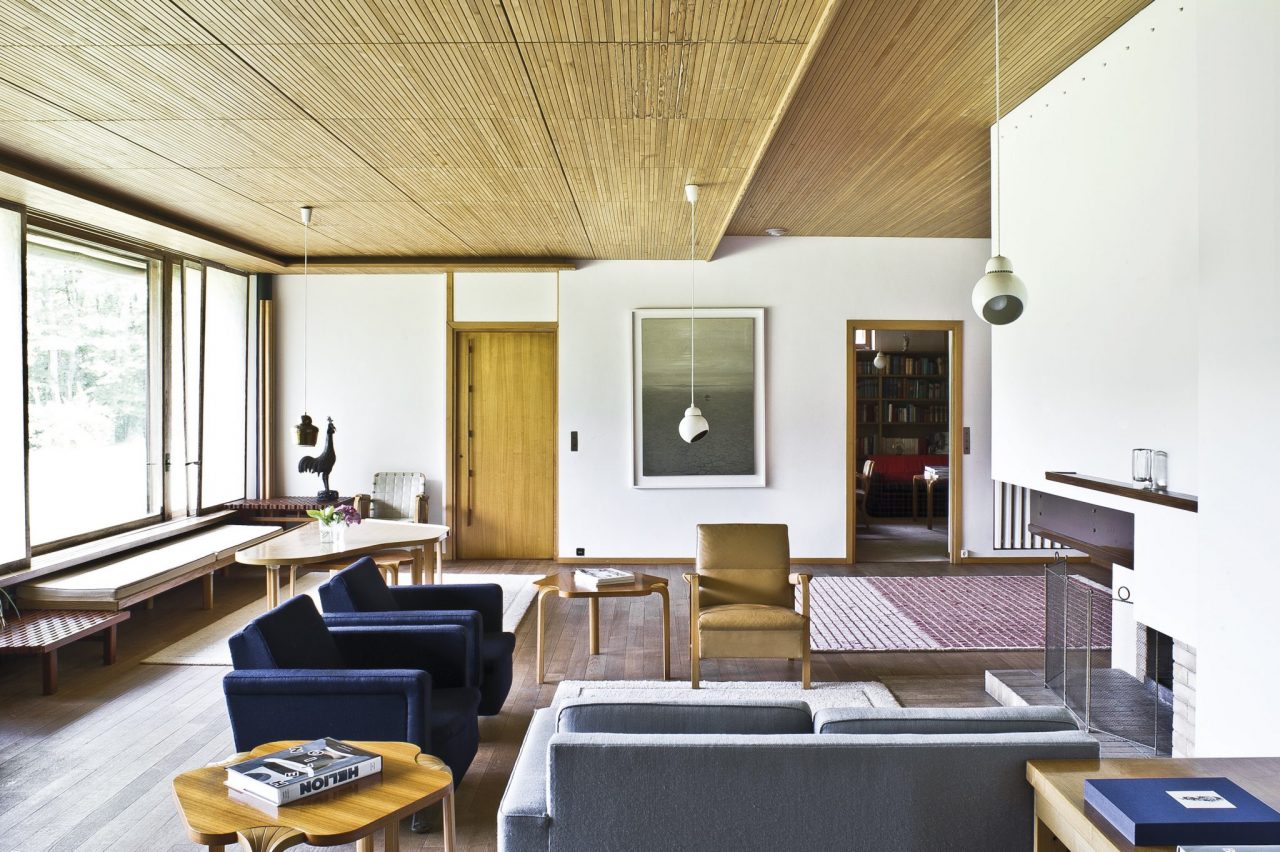
Having a Nordic interior has almost become aspirational these days. In design, the Nordic label is synonymous with quality, utility, and timelessness. Much of that credit belongs to Finnish architect Alvar Aalto. It is no coincidence that he is the only architect of the second generation of the Modern Movement to be recognized as a "master", placing him alongside Mies or Le Corbusier There is also a detail that neatly closes the circle of today’s post: Frank Lloyd Wright himself called Aalto “a genius” after visiting the Finnish Pavilion at the 1939 New York World’s Fair.
A sincere admiration from the most organic Wright, whose ideas Aalto absorbed and transformed embracing organicism while maintaining the rationalism that defined his functional creations. Today, his interiors and furnishings remain as relevant as ever: bright, warm, welcoming, simple, and modern as if drawn straight from a Helsinki winter or the pages of a fine furniture catalogue. A Nordic one, of course.
Photos: Flickr, Eames Foundation, Pinterest
 Contact
 Call
Call
